
10 Ways to Lower Your Prescription Costs | Simplefill
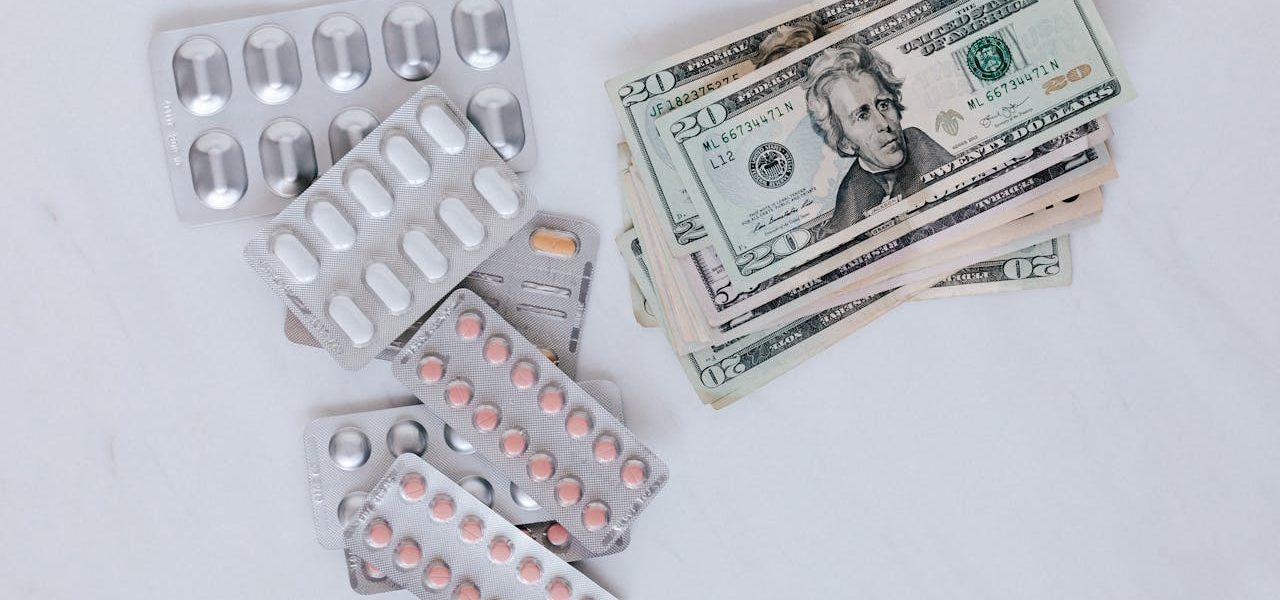
The costs of prescription medications continue to increase, making it very difficult for people struggling with chronic conditions like high cholesterol or HIV to receive the drugs they need. There are many ways to lower your prescription costs, however, from asking for generics to joining drug assistance programs. Here are ten of the most effective options:
1. Ask for Generic Medications
Generic medications are made of the same active ingredients as their brand-name versions, and they have FDA approval, making them safe and effective to take. Because they are not connected to a brand and a big-name pharmaceutical company, they are generally much more affordable.
2. Use Prescription Discount Cards
Prescription discount cards are cards that lower drug costs for people with high co-pays or without any type of insurance. The companies that offer these cards work to negotiate the best rates for their clients. They are free to get and use, and they are accepted at most pharmacies.
3. Shop Around
You may expect all pharmacies to charge the same for a particular medication, but that’s not the case. Doing some research can help you find the best rates, whether online or in your local area.
4. Request a 90-Day Supply
If you take medications for chronic conditions, it can often be more affordable to get a 90-day supply instead of purchasing smaller quantities. You may also be able to reduce your co-pays with this option.
5. Turn to a Health Savings Account or a Flexible Spending Account
If you have a health plan that offers health savings accounts or flexible spending accounts, you can use pre-tax funds to address medication costs. These would apply to out-of-pocket costs.
6. Review Your Health Plan Regularly
If you have chronic conditions that require ongoing medications, reviewing your health plan every year can ensure that you’re getting the best coverage. Take a look at your plan’s formulary, which is the list of medications that it covers, to make certain that you’re getting the best deals for what you need.
7. Ask for Coupons or Samples From Your Doctor
Pharmaceutical representatives often offer a variety of samples to doctors. You may be able to obtain these by letting your physician know that you’re struggling to afford the care you need.
8. Explore Government and Non-Profit Options
Depending on your age, income, and other factors, you may be eligible to receive assistance from government programs. These are not always available in all states, however.
9. Ask About Medication Options
If you can’t afford your medication, ask your doctor about whether there are alternatives. There may be other drugs that offer the same results but cost significantly less.
10. Join a Drug Assistance Program
Drug assistance programs like Simplefill help you find the most appropriate discounts for the medications you need. Simplefill gets an overview of your health issues, income, and medication requirements and finds the best discount programs for your situation. The team then applies to these programs for you, giving you a higher chance of getting affordable rates.
Get Affordable Access to Prescription Medications
Simplefill is a full-service prescription assistance company that researches, qualifies, and maintains patients’ enrollment in all sources of assistance available to them.
Apply today by calling 877-386-0206. A caring Simplefill representative will contact you within 24 hours to discuss your application and, if qualified, enroll you in the program.
Frequently Asked Questions
Is Splitting Pills or Skipping Doses a Good Strategy for Managing Medication Costs?
No, neither of these options is appropriate because you can end up not receiving the exact doses you need, putting you at risk of developing further health issues. Always take your medication exactly as prescribed by your doctor.
Why Are Medication Costs So High in the United States?
Medication costs are high because there are few regulations in place to prevent pharmaceutical companies from increasing rates whenever they choose to. The insurance market is fragmented as well, and pharmaceutical companies have a chokehold on how and when generic medications make it to the market.
Is There Legislation in Place to Lower Medication Costs?
Both the Biden and Trump administrations have passed legislation to help address the high prescription drug costs. The Inflation Reduction Act has given Medicare the power to negotiate with pharmaceutical companies for high-priced drugs, while the Most-Favored Nation Plan allows the United States to get medications at the same prices as other comparable nations, but the rates are still too high for most people.
blog