Will Drug Tariffs Backfire on Generic and Biosimilar Access?
Generic and biosimilar products have long offered a more affordable alternative to brand-name medications. For many people, these options are the only way they can receive the prescriptions they need to treat chronic conditions such as diabetes and rheumatoid arthritis.
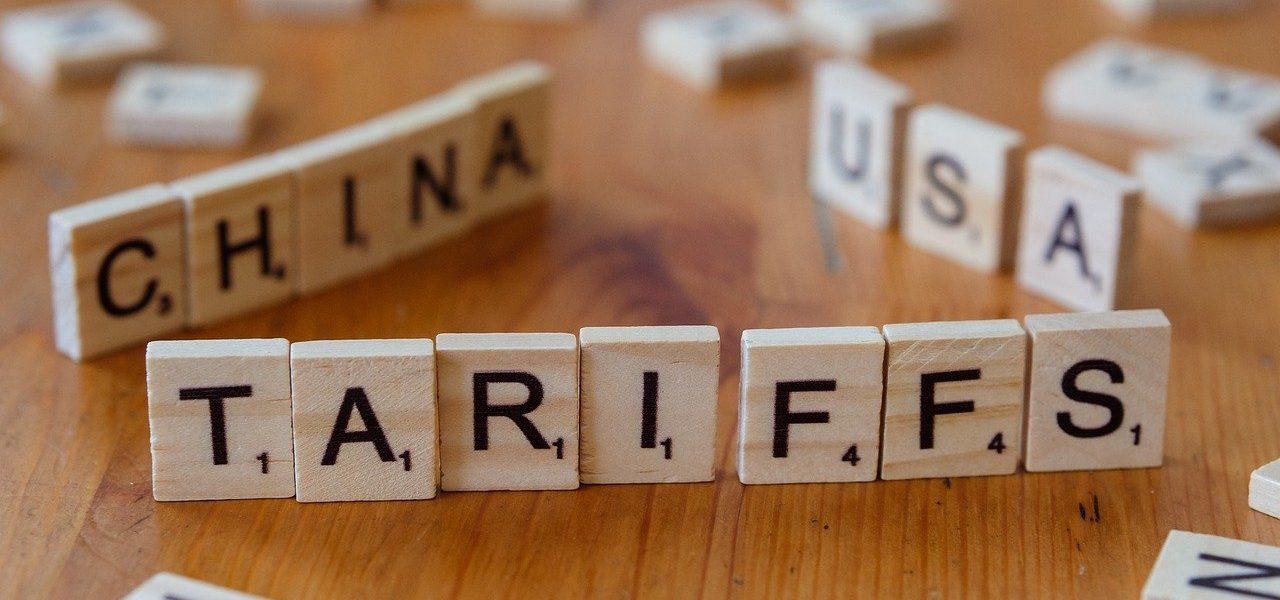
Many now fear that the Trump administration’s reciprocal tariffs, which are slowly being put in place, could hinder access to generic and biosimilar medications. If that happens, affording your prescriptions could become even more difficult than it already is. Learn more about the tariffs and what they could mean for medication pricing.
Trump’s Administration and Drug Tariffs
When the Trump administration began placing reciprocal tariffs on an array of countries, one of the first things that people zeroed in on was that pharmaceutical products were apparently exempted. That’s now in question, since President Trump has repeatedly mentioned his wish to place tariffs on imported drugs.
One of the reasons for this change is his desire to promote domestic manufacturing. By cutting down on imports and providing incentives for companies to develop essential medications, the president hopes to prevent further reliance on foreign supply chains.
Since international conflicts continue and extreme weather events are poised to worsen with every passing year, being able to rely fully on domestic medications is a good theoretical path to take.
The Trump administration began an investigation into drug imports in preparation for imposing tariffs. Because most of these imports come from China and India, such tariffs could have a major impact on drug availability and pricing in the U.S.
Why Tariffs Will Mean Higher Generic and Biosimilar Drug Prices
Tariffs are taxes that one country places on certain goods coming in from another country. They have long been seen as trade barriers that hike prices, and that has not changed.
Pharmaceutical companies that produce generic and biosimilar drugs are already facing financial issues. These products don’t make the profit margins that brand-name drugs do, so adding new costs will only make the problem worse.
Companies based outside of the United States that provide these medications will be forced out of the market because of pricing. Even if they’re not priced out, it can be much harder for them to recover the losses they will sustain than it would be for their brand-name counterparts. To make up for that, they could further increase rates.
There are already fewer generic and biosimilar options on the market because the profit margin is not as significant. If some companies no longer offer their medications to the United States, shortages will increase. Basic rules of supply and demand mean that prices will also increase. For more on how biosimilar access can help reduce medication costs and why these lower-cost alternatives are already facing challenges, see our blog, Biosimilars and Soaring Drug Costs.
Tariffs and the Manufacturer–Marketer Relationship
Biosimilar production often involves international partnerships. The manufacturer produces the drug, while a separate marketing partner handles pricing, payer negotiations, and distribution in the U.S. market. Tariffs could disrupt these relationships, forcing companies to decide who absorbs the added costs.
In highly competitive biosimilar categories (where prices are already discounted by more than 80% from the brand-name equivalent) there’s little room to absorb new expenses. This could lead to fewer competitors, reduced supply, and higher costs for patients. In extreme cases, manufacturers may withdraw entirely from the U.S. market, further reducing access to affordable alternatives.
Why Tariffs Alone Won’t Boost U.S. Biosimilar Manufacturing
While one of the stated goals of imposing tariffs on imported drugs is to encourage domestic manufacturing, history suggests this approach will not work for low-margin products like generics and biosimilars. Building new drug manufacturing facilities in the U.S. is both time-consuming and costly, involving years of planning, permits, and significant capital investment. Without targeted government subsidies or incentives, private companies have little reason to take on that risk, especially when biosimilars already generate far smaller profits than branded drugs.
Advanced manufacturing technologies could make domestic production more competitive–but these require substantial upfront funding that the private sector has typically been unwilling to commit without public support. Without a coordinated policy that combines limited, strategic tariffs with direct economic incentives, the most likely result is not more U.S.-made biosimilars, but fewer affordable options overall.
Prescription Assistance Programs: Helping Consumers Afford Their Medications
If the tariffs cause generic and biosimilar medication prices to rise, affording your prescriptions could become more difficult. For seniors, who tend to have more than one chronic condition, this can be catastrophic. They have fixed incomes that don’t allow for abrupt hikes, so increased prices could mean worsening health issues and more strain on the already struggling healthcare system.
That is where turning to prescription assistance programs can help. These programs allow people to apply for discounted or even free medications. One of these programs will help you find the benefits you’re eligible for, depending on numerous factors, so you don’t have to resort to skipping or halving doses.
How do these programs achieve this aim? They work closely with pharmaceutical companies, insurers, and even pharmacies to offer their members assistance. These are free programs, and they’re easy to apply to. With experts assisting you, you can more easily find the options you need to cut your medication costs.
Get Affordable Access to Prescription Medications
Simplefill is a full-service prescription assistance company that researches, qualifies, and maintains patients’ enrollment in all sources of assistance available to them.
Apply today by calling 877-386-0206. A caring Simplefill representative will contact you within 24 hours to discuss your application and, if qualified, enroll you in the program.
blog