
How the Proposed ETHIC Act Could Reduce Prescription Costs | Simplefill
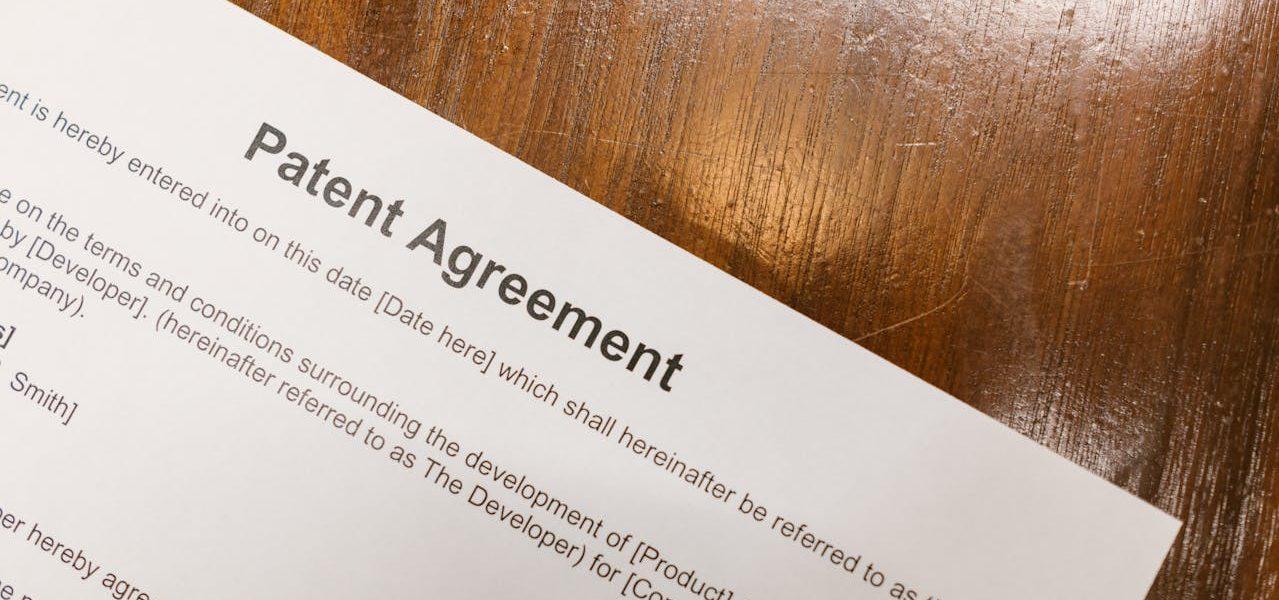
The Eliminating Thickets to Increase Competition (ETHIC) Act would help limit the number of drug patents that can be asserted by those who hold the patents, including drug companies. This bill would make room for more competition, helping lower prescription medication costs while not stifling innovation.
Learn more about the benefits the act could offer and whether it’s close to becoming law.
What Is the ETHIC Act?
The ETHIC Act is a bill proposed in 2025 by three senators. Senators Peter Welch, Josh Hawley, and Amy Klobuchar presented it as they pursue an amendment to a federal statute (35 U.S.C. § 271(e)).
This amendment would allow pharmaceutical companies to assert only one patent against a biosimilar or generic competitor for a specific medication. It would eliminate patent thickets.
What Are Patent Thickets?
Previously, pharmaceutical companies would file a flurry of patents for a single medication. This would create an impassable “thicket” that would slow down competitors.
Since these competitors are generally smaller businesses looking to create generic medications, they may not have the funds available to legally deal with the patents.
To complicate matters further, patent thickets could cover different aspects of a single drug, or they could target the same aspect but with slightly diverse claims. Everything from the drug delivery method to the drug molecule could be covered by these thickets.
How Might the ETHIC Act Help?
The ETHIC Act makes it possible for a company to assert only one patent from a thicket when filing an infringement lawsuit. Until now, pharmaceutical companies could continue taking competitors to court for all of the thicket patents, which would place an inordinate amount of financial pressure on these smaller companies.
How Could the ETHIC Act Lower Medication Costs?
With the ETHIC Act, if the court ruled that one of the infringement lawsuits was not viable, the pharmaceutical company would not be able to file another lawsuit to assert anything from that same thicket. This can make it easier for competitors to bring forth their generic medications at a faster rate.
By speeding up the availability of biosimilar or generic versions of the same drug, prices can drop quickly because there will be more competition. These lower prices can be particularly important for people dealing with chronic conditions like asthma and congestive heart failure.
How Might the ETHIC Act Influence Pharmaceutical Company Behavior?
The ETHIC Act would make pharmaceutical companies think twice about filing a lawsuit, since that could potentially block them from pursuing future issues for the same patent thicket. In the end, this would benefit patients.
What Would This Mean for Current Drug Pricing?
Not only would they have more drug options, but even branded medications could afford to lower their prices because they would have less litigation cost to address.
Get Affordable Access to Prescription Medications
Simplefill is a full-service prescription assistance company that researches, qualifies, and maintains patients’ enrollment in all sources of assistance available to them.
Apply today by calling 877-386-0206. A caring Simplefill representative will contact you within 24 hours to discuss your application and, if qualified, enroll you in the program.
Frequently Asked Questions
When Will We Know if the ETHIC Act Passed?
The ETHIC Act was introduced into the House in May 2025, but it is still currently in committee. The process of a bill becoming the law of the land is a long one, however, so it may be a few months before it even reaches the president’s desk. As of now, companies can still file unlimited lawsuits per patent thicket.
Are Patent Thickets Ever Useful?
Patent thickets can be useful in some narrow instances. For example, they can incentivize investments into research for the creation of new medications. If pharmaceutical companies feel that their products are protected from competitors, they are more likely to invest in new drugs.
For the most part, however, patent thickets are detrimental because they limit competition as well as gatekeep. They are one of the reasons why prescription medications continue to become more expensive.
What Other Legislative Actions Might Lower Drug Costs?
The Inflation Reduction Act, passed by President Biden, has given Medicare the chance to negotiate with pharmaceutical companies on the prices of certain lifesaving medications.
Recently, President Trump signed an executive order to ensure the United States gets the same medication prices as other similar countries. There has also been a push for international drug importation.
Additionally, the Trump administration is addressing price transparency. This includes a more extensive disclosure of fees and rebates from pharmacy benefit managers, which would go a long way toward seeing where costs could be cut.
blog